Emergency tree work and gardeners Watford urgent booking tips
Posted on 19/11/2026
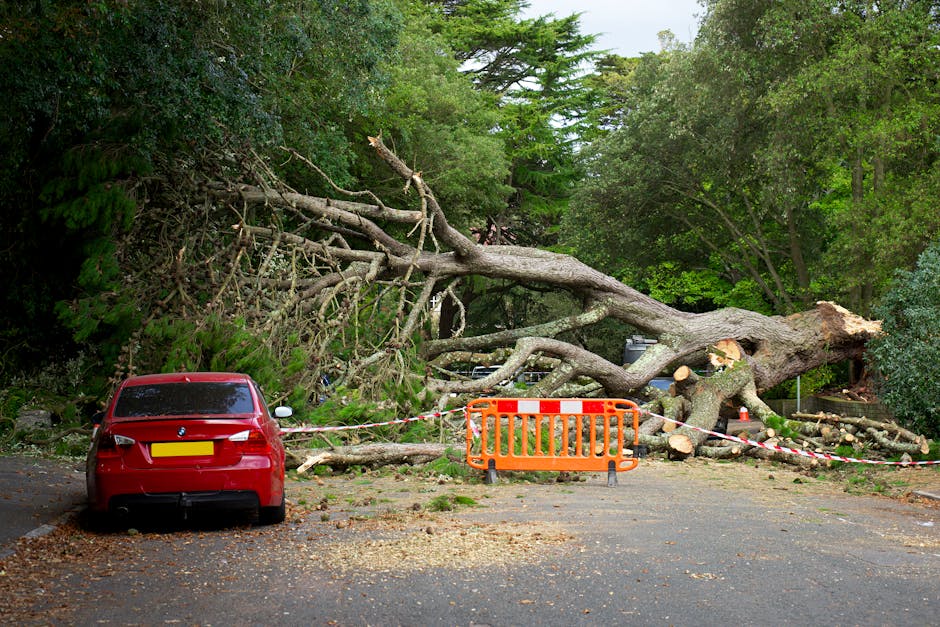
If a tree has split after a gusty night, a branch is leaning over a driveway, or roots and debris are making the garden unsafe, you do not have the luxury of dithering. Emergency tree work and gardeners Watford urgent booking tips are really about one thing: getting the right help quickly, without making a rushed choice you may regret later. In a real urgent situation, the best booking decisions are usually the calmest ones. Let's get practical.
This guide explains how urgent tree work is handled, what to ask before booking, how to spot safe and capable help, and how to avoid the common mistakes that slow everything down. It also covers when a gardener can help immediately, when a tree surgery specialist is the better call, and how to keep your property, family, and neighbours out of trouble while you wait.
Why Emergency tree work and gardeners Watford urgent booking tips Matters
Urgent tree issues rarely arrive neatly. They tend to show up in awkward weather, at awkward times, with a neighbour peering over the fence and a branch creaking like it means business. That is why urgent booking tips matter: they help you separate a true emergency from something that can wait a day, and they help you book the right kind of help the first time.
In Watford, that distinction is especially useful because gardens vary so much. Some are tight terraced plots with narrow side access; others have mature trees close to sheds, decking, or fences. A damaged tree can block access, damage hard landscaping, threaten roofs, or simply make people too nervous to step outside. And once panic creeps in, people often call the wrong type of provider. A gardener may be perfect for clearance, branch tidying, and making the space safe. But a structurally compromised tree usually needs a qualified tree surgery response.
A smart urgent booking process protects more than the tree itself. It protects time, money, and safety. It also reduces the chance of duplicated visits, delays, or that painful moment when someone arrives and says, "Sorry, this isn't really a gardening job."
Expert summary: In an emergency, book for safety first, appearance second. A clean garden is nice; a stable garden is non-negotiable.
If your situation is more about storm damage, overhanging limbs, or a tree that has been pushed out of balance, it can also help to read broader guidance on protecting your garden from severe weather and on practical aftercare through insurance and safety information.
How Emergency tree work and gardeners Watford urgent booking tips Works
Urgent tree work usually follows a straightforward pattern, although the actual job can be messy. First comes the call or enquiry. Then comes a quick assessment of risk, access, and urgency. After that, the provider decides whether the job is a same-day visit, a next-available visit, or a temporary make-safe appointment before full work is scheduled.
In practice, a good provider will ask short, precise questions:
- Is the tree or branch currently unsafe?
- Is anything blocking roads, paths, or entrances?
- Is the tree touching a property, fence, shed, or cable?
- Can someone safely access the site?
- Has the tree already fallen, split, or uprooted?
That information matters because urgent tree work is not just about speed. It is about sequencing. For example, a gardener may be asked to clear debris, make the area tidy, and remove smaller hanging material once it is safe. A tree surgeon may need to stabilise the tree first, dismantle branches in sections, or use specialist rigging. Sometimes both roles overlap. That is normal.
The booking process also tends to move faster if you provide the right evidence. A few clear photos taken from a safe distance, brief notes about what happened, and a simple explanation of what you need can save a lot of back-and-forth. Honestly, this is one of those times where five good photos beat a long paragraph every time.
If you are planning beyond the emergency and want to reduce future risk, useful background reading includes gardening's role in mitigating climate change and the practical advice in managing windy conditions in your garden.
Key Benefits and Practical Advantages
Urgent booking done well is not just convenient. It changes the outcome.
- Faster risk reduction: loose limbs, unstable trunks, and obstructed access are dealt with before they worsen.
- Less property damage: timely intervention can stop a branch from scraping a roof, breaking a fence panel, or damaging decking.
- Clearer decision-making: you avoid the muddle of calling several people who all give slightly different answers.
- Better neighbour relations: a quick, calm response prevents disputes if branches cross boundaries or debris lands next door.
- More cost control: temporary make-safe work can sometimes prevent a bigger job later. Not always, but often enough to matter.
There is also a human benefit that people do not always mention. When a tree is visibly damaged, the garden stops feeling like a relaxing space. It can feel tense. Heavy, even. Getting the issue assessed and booked quickly gives you back a sense of order. That counts, especially after a stormy night or a frightening crack in the early morning.
For gardens that need general recovery after the urgent work, a related service like garden maintenance Watford can help restore the rest of the space once the immediate hazard is gone.
Who This Is For and When It Makes Sense
This topic matters to a few different people, and not all of them own huge gardens. In fact, some of the most urgent callouts happen in modest suburban spaces where access is tight and one branch can cause disproportionate hassle.
- Homeowners dealing with storm damage, fallen branches, or leaning trees.
- Landlords and letting agents who need a property made safe quickly between tenancies or after bad weather.
- Busy families who want pathways, play areas, and side access cleared before school runs or visitors arrive.
- Businesses with external seating, car parks, or frontage areas affected by overhanging growth.
- Older residents who need quick support but may not be able to manage temporary safety measures themselves.
It also makes sense for people who are unsure whether the job is "tree work" or "gardening." A practical rule of thumb: if the issue is mainly safety, structure, or height, lean toward tree surgery. If the issue is clearing, tidying, minor pruning, or post-job recovery, a gardener may be the better starting point.
Sometimes the best answer is a combination. One job, two stages. A sensible provider will tell you that without drama.
Step-by-Step Guidance
Here is a simple way to handle urgent booking without losing the plot.
- Keep people away from the danger zone. Do not walk under hanging limbs or lean on a damaged fence line just to "have a look".
- Take safe photos from a distance. Capture the tree, the surrounding area, and any visible damage.
- Note the urgent issue in one sentence. Example: "Large limb broken over the driveway after high winds; access partly blocked."
- Decide whether it is a safety emergency. If there is immediate risk to people, property, or access, say so clearly when booking.
- Explain access details. Mention locked gates, narrow passages, or parking restrictions. This saves real time.
- Ask who will attend. For structural issues, you want someone with the right equipment and experience, not a vague promise and a shrug.
- Ask what happens first. A good urgent response may begin with make-safe work rather than complete removal.
- Confirm any follow-up. If the provider needs a second visit for full pruning or clearance, get that next step straight.
One small but very useful habit: keep your phone charged and your address details ready. Sounds obvious, but in a stressed moment people forget all sorts of simple things. It happens.
For routine follow-on work after an emergency, services such as tree surgery Watford and gardening services Watford may be relevant depending on the job's severity and scope.
Expert Tips for Better Results
There are a few booking tips that make a real difference when time is tight.
1) Describe the risk, not just the tree
Saying "the tree looks bad" is less helpful than "a split branch is hanging over the path" or "the trunk is leaning towards the shed." Providers can triage faster when you describe what is at stake.
2) Be honest about access
If access is awkward, say it. If there is only side gate entry, say it. If the wheelie bins, garden furniture, or a dog need moving first, mention that too. The right person can work with awkward access, but only if they know.
3) Ask whether temporary make-safe work is possible
Not every urgent job needs a full dismantle on day one. Sometimes the best outcome is a swift reduction of immediate danger, followed by fuller work once conditions improve.
4) Keep the rest of the garden out of the way
If you can safely move pots, children's toys, folding chairs, or a barbecue, do it. It gives the crew room to work and reduces extra damage.
5) Treat weather updates seriously
Wet timber, strong gusts, and poor light change the whole risk picture. A job that feels manageable at midday can be a poor idea at dusk in the rain. To be fair, it's not the most glamorous part of gardening, but it matters.
6) Think about what happens after the cut
Emergency work often leaves a lot of green waste, broken material, and messy edges. If you already know you will want a tidy finish, mention it during booking. That can save a second call later.
For garden areas that also need pruning or reshaping after the emergency, hedge trimming Watford may be a useful follow-on service, especially where storm damage has blurred the whole boundary line.
Common Mistakes to Avoid
Urgent booking goes wrong in predictable ways. Luckily, they are avoidable.
- Waiting too long to call. People often hope a dangling limb will "settle down". It rarely improves on its own.
- Choosing purely on speed. Fast is good, but safe and capable is better. Much better.
- Not saying the tree is near a structure. That changes how the job should be planned.
- Assuming all gardeners can handle all tree issues. Some can handle small pruning and clearance very well; others should not be asked to deal with unstable timber.
- Failing to mention utilities or overhead obstacles. If there are cables, sheds, fences, or glass nearby, say so.
- Leaving children or pets in the work area. A half-cleared garden can look safe when it is not.
Another common slip is underestimating how much debris a broken tree can produce. One broken limb can create a surprising amount of waste, sap, and spiky twig fallout. Not exactly the stuff of a Sunday picnic.
If the urgent event has left your wider garden looking a bit battered, later recovery might include ideas from transforming a neglected garden into a lush paradise and practical tidying advice from weed control tips.
Tools, Resources and Recommendations
You do not need specialist climbing gear to make a sensible urgent booking, but a few simple tools and resources help a lot.
- Phone camera: use it for safe photos and a short video if the situation is changing.
- Notebook or notes app: jot down what happened, when it happened, and what is affected.
- Torch: useful if the issue is discovered early morning or after dark, though avoid climbing around in poor light.
- Gloves and sturdy shoes: handy if you need to move small debris safely.
- Garden waste bags or bins: helpful for smaller breakage, leaves, and twigs after make-safe work.
For broader preparation, a few pages on this site are worth keeping in mind. If you want to understand how providers approach service quality, about us can help. If you want to check buying confidence and process details, payment and security, terms and conditions, and privacy policy are sensible trust pages to review.
For gardens that need a deeper reset after storm damage or overgrowth, landscaping Watford, fencing Watford, patio cleaning Watford, and even lawn care Watford can all be part of the wider recovery picture.
Law, Compliance, Standards, or Best Practice
For emergency tree work, compliance is less about quoting laws and more about behaving in a way that is careful, documented, and proportionate. In the UK, property owners and service providers are generally expected to act responsibly where there is a foreseeable risk of harm. That means making unsafe areas secure, using competent people, and avoiding rushed work that increases danger.
Best practice usually includes the following:
- Risk assessment before work begins: especially where branches are unstable, access is awkward, or the tree is close to a structure.
- Clear communication about limitations: if weather, access, or the tree's condition limits what can safely be done, that should be explained plainly.
- Appropriate insurance and safety controls: a reassuring sign when you are booking under pressure.
- Respect for boundaries and property: especially if branches cross into neighbouring gardens.
If there is any doubt about the stability of a large tree, it is better to pause and assess than to push forward because someone wants a quick finish. Safety first, always. That may sound obvious, but emergency work has a way of turning obvious things into afterthoughts.
It can also be sensible to keep a record of the issue, the date, the photos, and the work carried out, just in case you need to refer back later. Simple, but useful.
Options, Methods, or Comparison Table
When you are booking urgently, the main choice is usually not "gardeners versus tree surgeons" in the abstract. It is which approach fits the actual risk and the actual task.
| Option | Best for | Strengths | Limitations |
|---|---|---|---|
| Gardener-led urgent clearance | Light debris, tidying, small branch removal, restoring order | Quick, practical, often ideal for the follow-up stage | Not suitable for unstable or high-risk tree failure |
| Tree surgery response | Broken limbs, leaning trunks, structural risk, height work | Safer for complex or dangerous tree problems | May cost more and require more planning |
| Two-stage approach | Mixed situations with immediate danger and later cleanup | Balances safety and efficiency | May involve two visits or staged costs |
A sensible rule: if you are unsure whether the tree can fail further, choose the safer and more specialist route. If the danger is already neutralised and the job is mostly cleanup, a gardener may be exactly right. Truth be told, this is where clear photos and plain language do more than any fancy wording.
After the urgent stage, routine care often benefits from regular work such as garden maintenance Watford and, where appropriate, tree surgery Watford to stop the same issue repeating.
Case Study or Real-World Example
A typical Watford scenario might go like this. Early on a windy morning, a homeowner notices a large branch has cracked above the side return and is hanging over the path to the back gate. The branch is not on the ground, but it is visibly strained. The family needs access for school and work, and the neighbour's fence is just below the break.
Instead of trying to tug it down, they take two photos from a safe distance, close the gate, and avoid the area. They send a short description: the branch is broken, the path is partly blocked, and there is a fence underneath. They also mention that access is through a side gate and parking is available on the road.
The provider responds by prioritising a make-safe visit. Smaller unstable material is dealt with first, the immediate risk is reduced, and the rest of the clearance is scheduled once the weather improves. A gardener then helps with debris removal and general tidying, which restores the garden's usable space without making the whole thing feel like a construction site.
That is the ideal shape of an urgent booking. Calm, specific, safe. Not glamorous, perhaps, but very effective.
For outdoor spaces that need a better long-term structure after the problem is resolved, consider ideas from low-maintenance garden ideas and stunning garden seating areas once the heavy work is out of the way.
Practical Checklist
Use this quick checklist before you confirm an urgent booking:
- Is anyone in immediate danger?
- Have you kept people and pets away from the affected area?
- Have you taken safe photos from a distance?
- Have you described the issue clearly and briefly?
- Have you included access details and any obstacles?
- Do you know whether the job is mainly safety work or mainly clearance?
- Have you asked what will happen first if a full repair cannot be done immediately?
- Have you checked whether follow-up garden tidying will be needed?
- Are you clear on payment, timing, and next steps?
- Do you have a backup plan if weather makes the work unsafe today?
This list is simple on purpose. In an emergency, complicated systems tend to collapse into confusion. A short checklist is easier to follow when the wind is still rattling the fence and your patience is a bit thin.
If the wider garden also needs resilience improvements after the incident, winter garden protection ideas and essential gardening tools can be useful for the next round of preparation.
Conclusion
Emergency tree work is one of those situations where a little preparation goes a very long way. The best urgent booking tips are not flashy. They are clear descriptions, safe photos, honest access notes, and choosing the right kind of help for the actual risk in front of you. In Watford, where gardens can be compact, busy, and a bit unpredictable after bad weather, that practical approach saves time and reduces stress.
Needless to say, not every problem is an emergency. But if a tree is unstable, a path is blocked, or a branch is threatening property, act early and keep the process simple. The calmer your first call, the smoother the rest of the day tends to go.
Get a free quote today and see how much you can save.
And if you are reading this after a messy morning with broken branches and muddy boots, take a breath. It can be sorted, and usually sooner than you think.

Drawing on many years of experience in the gardening business, Rose showcases her proficiency as a writer, producing a variety of articles spanning a wide range of landscaping topics. Her contributions have been invaluable in aiding thousands of individuals with their gardening needs.