Leavesden garden design ideas for suburban plots by gardeners
Posted on 18/10/2026
Leavesden Garden Design Ideas for Suburban Plots by Gardeners
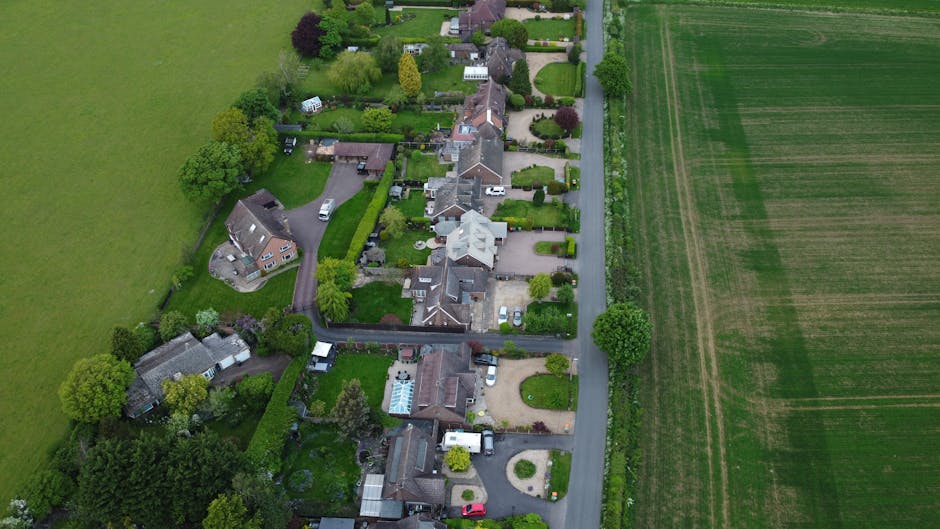
Suburban gardens in Leavesden often have a familiar kind of pressure: they need to do a lot, but they rarely have endless space. One family wants a place for summer meals, another wants privacy from neighbouring windows, and someone else just wants the whole thing to stop looking tired every February. That is exactly where thoughtful Leavesden garden design ideas for suburban plots by gardeners start to matter. The best gardens in this part of Hertfordshire are usually not the biggest or the flashiest. They are the ones that feel well planned, easy to live with, and quietly beautiful through the seasons.
In this guide, we will look at how gardeners can shape a suburban plot so it feels more spacious, more useful, and a lot less fussy. You will find layout ideas, planting choices, practical build considerations, and a few local realities that are easy to overlook. To be fair, a good garden design is never just about plants. It is about how you move through the space, where the light falls, where water sits after rain, and how much work you actually want to do on a Saturday morning.
Whether you are starting with a blank lawn, a cramped side return, or a garden that has become a bit of a jumble, the aim is the same: make the plot work better for everyday life.
Table of Contents
- Why This Topic Matters
- How Suburban Garden Design Works
- Key Benefits and Practical Advantages
- Who This Is For and When It Makes Sense
- Step-by-Step Guidance
- Expert Tips for Better Results
- Common Mistakes to Avoid
- Tools, Resources and Recommendations
- Law, Compliance, Standards, or Best Practice
- Options, Methods, or Comparison Table
- Case Study or Real-World Example
- Practical Checklist
- Conclusion
- Frequently Asked Questions
Why Leavesden garden design ideas for suburban plots by gardeners Matters
Suburban plots around Leavesden tend to sit in that awkward middle ground: neither tiny courtyards nor expansive country grounds. That middle ground is actually a huge opportunity. With the right layout, a modest garden can feel calm, generous, and genuinely useful. Without a plan, though, the same space can end up split into random corners, patchy lawn, forgotten borders, and a patio that never quite gets used.
Good design matters because a garden is not just a decorative frame around the house. It changes how you live at home. A well-zoned plot can make weekday dining easier, give children a clearer play area, offer privacy from nearby properties, and reduce maintenance pressure in the long run. In a place like Leavesden, where many gardens face similar suburban constraints, the difference between "fine" and "lovely" is often planning rather than square footage.
There is another reason this matters. Local gardens need to cope with real British weather: damp periods, shade, occasional strong wind, winter wear, and the sort of summer heat that arrives suddenly and then disappears again. A design that ignores those conditions may look good in April and frustrating by October. A design that anticipates them stays useful much longer. If you want a healthier planting scheme, sensible structure, and fewer dead zones, design is the place to start.
We often see the same story when working on suburban properties: the garden was not neglected because the owner did not care. It was neglected because the layout made care difficult. That is a design problem, not a motivation problem. And once you see it that way, solutions become much clearer.
How Leavesden garden design ideas for suburban plots by gardeners Works
At its core, suburban garden design works by dividing the plot into purposeful layers. You begin with structure: paths, boundaries, seating, shade, and the main visual lines. Then you add planting that supports the structure instead of competing with it. Finally, you refine the maintenance level so the garden stays realistic for the household that uses it.
A practical design usually starts with a site read. That means looking at the following before choosing plants or materials:
- Where the sun lands in the morning, midday, and late afternoon
- How private the garden feels from upstairs windows and neighbouring fences
- Where people naturally walk when moving from house to lawn, shed, or side access
- Which areas stay wet, dry, windy, shaded, or exposed
- How much time the owner genuinely wants to spend maintaining it
From there, gardeners usually shape the plot into three broad zones: a social area, a planting area, and a utility area. In a smaller suburban setting, these zones may overlap, and that is perfectly fine. A dining terrace can sit beside raised beds. A lawn can narrow towards the back. A side boundary can carry screening plants and still look light. The key is that every square metre has a job.
For many Leavesden gardens, verticality is the secret ingredient. Fences, arches, pergolas, trellises, and climbers help create enclosure without eating into floor space. If your plot feels flat or overexposed, this is where the design begins to lift. You can read more about this approach in the rise of vertical gardening and, where shade is the main issue, evergreen climbers for shady corners.
Plant choice also plays a major role in how the design works. For example, a busy family garden might benefit from durable ground cover in tricky edges, while a more formal suburban plot may lean on clipped hedging and evergreen structure. A useful place to start is this guide to ground cover plants for UK gardens, especially if you want to reduce muddy borders and keep weeds down.
Key Benefits and Practical Advantages
When a suburban garden is designed well, the benefits are immediate and, honestly, a bit addictive. You start noticing the garden more because it stops feeling like a maintenance burden and starts feeling like part of the home.
- Better use of space: A planned layout removes dead corners and turns awkward shapes into useful areas.
- More privacy: Screens, hedges, and layered planting reduce overlooked views without making the plot feel boxed in.
- Lower maintenance: Clear edges, the right planting density, and sensible materials reduce weekly chores.
- Improved flow: Good paths and access points make the garden easier to move through and use every day.
- Stronger seasonal appeal: A mix of evergreen structure, perennials, and textured hard landscaping keeps the plot interesting year-round.
- Better resale appeal: Buyers tend to respond well to gardens that look ordered, attractive, and easy to look after.
There is also a quieter benefit: design reduces indecision. If a plot has a clear layout, you stop asking, "What should go here?" every time you step outside. The garden tells you. Seating stays in one place. Storage stays tucked away. Border planting does not spill over the lawn. That kind of clarity sounds small, but it makes a real difference.
For households that want a low-fuss outdoor space, design is often more valuable than a long list of new plants. If that sounds like your situation, you may also find budget-friendly ideas for low-maintenance gardens useful.
Who This Is For and When It Makes Sense
This approach suits a wide range of homeowners and landlords, but it is especially useful for people with suburban plots that have a few common challenges. If any of these sound familiar, you are probably in the right place.
- You have a standard family garden that feels plain or underused.
- Your plot is narrow, overlooked, or awkwardly shaped.
- You want more privacy without installing heavy, oppressive screening.
- You need a space that works for children, pets, or both.
- You are tired of spending weekends on constant weeding and patch repairs.
- You have inherited a garden that needs a proper rethink rather than a quick tidy-up.
It also makes sense if you are planning improvements in stages rather than all at once. A suburban garden rarely needs a full grand reveal on day one. In fact, some of the best results come from sequencing the work: fix the structure first, then the hard landscaping, then the planting, then the finishing touches. That way, you avoid expensive mistakes and can live with the garden while it develops.
One thing to be fair about: if the space is heavily shaded, very windy, or dominated by a poor boundary, you may need more than a planting refresh. You might need fencing, hedge work, tree management, or drainage changes. In those cases, it is worth looking at broader support such as landscaping services, fencing solutions, or even tree surgery where overhanging trees are stealing light.
Step-by-Step Guidance
A good suburban garden design does not begin with buying plants. It begins with measuring, observing, and deciding what the garden must do. Here is a practical way to approach it.
- Map the space honestly. Measure the plot and sketch the main features: doors, windows, sheds, paths, boundaries, and any awkward corners.
- List the priorities. Do you need privacy, a play area, entertaining space, wildlife planting, or simple visual calm? Rank them. If everything is important, nothing gets designed properly.
- Watch the site at different times. Morning shade can become afternoon sun. A corner that looks fine in June may be wind-battered in January. A quick visit is not enough.
- Decide on the hard structure. Choose where the patio, deck, lawn, paths, and screens will sit. This is the skeleton of the design.
- Shape the boundaries. Use hedges, fences, climbers, or mixed planting to soften edges and create enclosure.
- Choose the planting style. Decide whether you want formal, naturalistic, wildlife-friendly, family-proof, or ultra-low-maintenance planting.
- Plan for maintenance. Leave room to mow, prune, wash, sweep, and replace plants without a struggle.
- Phase the work. Tackle drainage, hard landscaping, and larger boundary fixes before installing delicate planting.
In practical terms, this might look like a small rear terrace nearest the house, a central lawn or gravel breakout area, clipped hedging along one boundary, and layered planting at the back to give depth. For a longer garden, a second seating point halfway down can make the space feel larger than it is. That little "pause" in the journey is surprisingly effective.
If you want a garden that feels more welcoming in the evening, think about light and texture too. Rough bark, glossy evergreen leaves, pale gravel, and warm paving all catch low sun beautifully. It is one of those details people do not notice consciously, but they feel it.
Expert Tips for Better Results
There are dozens of design tricks that can improve a suburban plot, but a few are consistently worthwhile.
Use repetition to create calm
Repeating the same material, plant, or shape through the garden stops the space from feeling busy. For example, repeating three groups of the same ornamental grass or using matching containers can make a small plot feel more deliberate. Too much variety can make suburban gardens look fragmented.
Borrow space visually
If you cannot physically enlarge a garden, you can often make it seem bigger. Narrowing the path slightly, keeping boundary planting layered rather than bulky, and using sightlines toward a focal point all help. A mirror can work in some settings, but to be honest, it is not the answer to everything. Sometimes a well-placed tree or tall shrub does the job more elegantly.
Use evergreen structure generously
Evergreens carry the design through winter and stop the garden from looking like a set of empty sticks in February. They are especially useful in suburban plots where neighbouring roofs and fences can dominate. If privacy is a concern, you may want to compare hedge options in fast-growing hedges that help with privacy.
Choose at least one easy-care anchor
Every garden benefits from one section that is robust and forgiving. That could be a gravel area, a clipped hedge, a durable seating terrace, or a simple lawn with strong edging. When life gets busy, this anchor keeps the garden looking presentable. Very handy, that.
Think in seasons, not just in bloom
Spring flowers are lovely, but if the rest of the year feels empty, the design will disappoint. Combine bulbs, summer perennials, evergreen shrubs, bark texture, and late-season colour. A good sequence of interest matters more than one big show.
If wildlife matters to you, the garden can still be neat and friendly. Leave some seed heads, choose nectar-rich plants, and avoid overmanicured corners. For inspiration on a calmer style, zen garden inspiration can help you think about restraint as a design tool.
Common Mistakes to Avoid
Most disappointing suburban gardens are not ruined by one dramatic error. They usually fail because of several small ones stacked together.
- Overfilling the space: Too many features make a modest plot feel cramped and tiring.
- Ignoring access: If you cannot reach the tap, bin store, or shed easily, the design will annoy you every week.
- Planting without size awareness: Small plants in the shop can become huge in two years. That is how borders get swallowed.
- Using hard materials everywhere: Too much paving, decking, or gravel can make a garden feel hot, echoey, or lifeless.
- Forgetting maintenance reality: A beautiful but fragile scheme is often abandoned by the second summer.
- Trying to solve privacy with a single fix: One fence panel rarely beats layered screening.
- Neglecting drainage and shade: Waterlogged corners and dark boundaries need special treatment, not hope.
There is also the classic "I'll just fill the gaps later" trap. Later usually means never, and the gaps become weed patches. If weeds are already a battle, it may help to read practical weed control tips before you begin planting.
And yes, we have all seen the garden with the enormous feature pot, the random statue, and the lonely bench facing the fence. It happens. Sometimes the plot looks like it was designed by a committee that never met.
Tools, Resources and Recommendations
Good garden design is partly about ideas, but the right tools and materials make the difference between a sketch and a result. For suburban plots, useful basics include:
- A tape measure and notebook for planning
- A spade, fork, hand trowel, and secateurs
- String line or pegs for marking out new beds and paths
- Wheelbarrow or garden trug for moving soil and debris
- Edging tools for keeping lawn and borders crisp
- Pressure washer or stiff broom for hard surfaces where needed
- Protective gloves and sensible footwear for regular work
For plant-heavy schemes, compost and mulch are not optional extras; they are part of the design. They improve soil structure, help moisture retention, and make borders look finished. If you are reworking an older plot, you may also need to refresh tired ground with added organic matter. That ties nicely into organic waste turned into nutrient-rich soil and the simple habit of reusing what the garden already gives back.
Container planting is another very useful resource for suburban gardens, especially where there are awkward paving edges or rental constraints. Containers let you test colour schemes, create height, and move things around before committing to permanent beds. If you are curious about that route, see the wonders of container gardening.
For households looking for a calmer upkeep rhythm, it can also help to combine this design thinking with ongoing garden maintenance support or lawn care where the plot includes a larger grass section.
Law, Compliance, Standards, or Best Practice
Garden design in the UK does not usually involve heavy regulation, but there are still important responsibilities and sensible best practices to keep in mind. If new structures, boundary changes, or significant tree work are part of the plan, it is worth proceeding carefully rather than guessing.
For example, fencing and boundary changes should be considered with neighbour relations in mind. Height, position, and ownership can all become messy if they are not checked before work begins. Likewise, if you are altering drainage, hard surfacing, or access routes, the practical impact on runoff and neighbouring plots should be thought through properly.
For tree work, safety matters. Overgrown branches, low light, and root pressure can all affect the success of a design, and larger tree work should be handled by qualified professionals with appropriate insurance and safety procedures. The same is true for any design involving heavy lifting, climbing, or power tools. If a project feels beyond routine gardening, it probably is.
Best practice also means using materials that suit the site rather than forcing a style. A polished minimalist garden can work beautifully, but only if the drainage, light levels, and maintenance level support it. A "high design" garden that fails after one wet winter is not good design at all. It is just an expensive mistake in a tidy coat.
For peace of mind around working methods, it is sensible to use services that can clearly explain their approach to safety and customer care. That includes pages such as insurance and safety, health and safety policy, and transparent information on terms and conditions and privacy policy.
Options, Methods, or Comparison Table
Different suburban plots call for different design strategies. Here is a simple comparison to help you choose the right direction.
| Method | Best for | Strengths | Watch-outs |
|---|---|---|---|
| Formal layout with clipped hedging | Front gardens or tidy family plots | Smart appearance, clear structure, strong privacy | Needs regular trimming and can feel rigid if overdone |
| Naturalistic mixed planting | Rear gardens with a softer look | Great seasonal interest, wildlife value, less harsh edges | Can look messy if plant spacing is not controlled |
| Low-maintenance hardscape-led design | Busy households or rental properties | Easy upkeep, clean lines, practical use of space | Too much hard material can feel stark without planting |
| Layered privacy planting | Overlooked suburban plots | Softens boundaries, improves shelter, looks established | Needs time to mature and may need seasonal care |
| Container-led flexible design | Small, paved, or changeable spaces | Portable, affordable to refresh, ideal for testing styles | Needs more watering and occasional feeding |
If privacy is the main issue, layering is usually better than relying on one element. For example, a fence plus climbers plus shrubs gives a softer and more convincing result than a bare boundary on its own. A nice practical companion read is fast-growing hedges for garden privacy.
Case Study or Real-World Example
Imagine a typical suburban plot in Leavesden: a rectangular rear garden, a narrow side return, a tired lawn, and fences that have seen better days. The owner wants more privacy, less mowing, and somewhere to sit outside without feeling on display. Nothing unusual there. In fact, it is one of the most common brief types we see.
The design approach might look like this:
- A modest patio close to the house for morning coffee and evening meals
- A narrower lawn retained only where it still serves a purpose
- Mixed planting along the rear and side boundaries to create depth
- A climbing framework on one fence line for height without bulk
- Evergreen shrubs to keep the space from feeling bare in winter
- A simple storage zone screened behind planting rather than left in view
That kind of layout changes the whole feel of the garden. The space looks larger because it has rhythm. The owner gets a clear place to sit, the lawn no longer dominates, and the boundary feels softer. After a few months, the planting starts to settle, and the garden stops looking like a project. It becomes part of the house.
If the plot began with severe neglect, the first stage might involve clearing, restoring soil, and removing persistent weeds or old climbers. A useful reference point for that sort of reset is transforming a neglected garden into a lush paradise. And if old ivy is taking over a boundary, you may need a more direct approach first: removing ivy properly.
The end result does not need to be grand. It just needs to feel coherent. That is the trick, really.
Practical Checklist
Use this quick checklist before or during a suburban garden redesign:
- Measure the garden accurately and note fixed features
- Identify sun, shade, wind, and wet areas
- Decide the garden's main job: relaxing, entertaining, family play, privacy, or low maintenance
- Choose a clear layout with no wasted corners
- Plan a seating area that feels sheltered and usable
- Use vertical elements where horizontal space is limited
- Balance hard surfaces with planting for warmth and texture
- Pick plants that suit the soil, exposure, and maintenance level
- Include evergreen structure for winter interest
- Leave access for mowing, pruning, and cleaning
- Sort drainage or boundary issues before final planting
- Set a realistic maintenance routine from the beginning
If your garden is likely to be used by children, pets, or both, it is worth thinking about safety and circulation early. A design that looks lovely but causes daily friction is not really finished. For family-friendly planning, a safe and fun garden for kids and a dog-friendly garden oasis can both offer helpful ideas.
If your plot has an exposed section or catches strong gusts, factor that in before you buy anything big. Wind changes everything. It just does.
Conclusion
Leavesden garden design ideas for suburban plots by gardeners work best when they are grounded in real life. The plot has to suit the weather, the household, the neighbours, and the amount of time you actually have. That is why the most successful suburban gardens are rarely overloaded with features. They are clear, layered, practical, and quietly attractive.
Start with structure, choose plants that can carry the design through the seasons, and keep maintenance realistic. Then refine the details: a better boundary here, a more comfortable seat there, a softer planting edge, a smarter route through the space. Small changes can make a big difference. Honestly, they often do.
If you are planning a redesign, it helps to work with gardeners who understand both planting and layout, not just one or the other. A thoughtful approach can turn a plain suburban plot into a space that feels settled, welcoming, and much easier to live with. And that feeling, when you step outside on a bright morning and it all finally clicks, is hard to beat.
Get a free quote today and see how much you can save.

Drawing on many years of experience in the gardening business, Rose showcases her proficiency as a writer, producing a variety of articles spanning a wide range of landscaping topics. Her contributions have been invaluable in aiding thousands of individuals with their gardening needs.