Watford gardeners Cassiobury Park front garden care guide
Posted on 10/10/2026
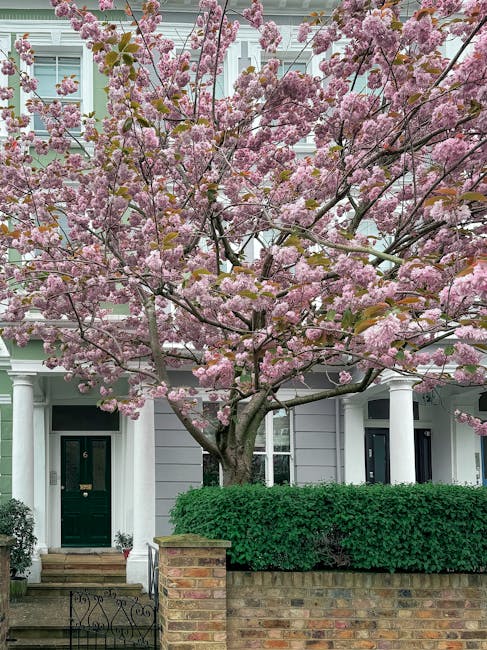
If your front garden in Cassiobury Park is starting to feel a bit tired, overgrown, or just awkward to keep tidy, you are definitely not alone. Front gardens have a different job from back gardens: they need to look smart, stay safe, handle local weather, and make a strong first impression without becoming a weekly chore. This Watford gardeners Cassiobury Park front garden care guide brings all of that together in one practical place, with real-world advice for planting, pruning, edging, weed control, and low-maintenance design that actually suits a busy household.
Whether you have a compact frontage, a larger corner plot, or a paved-and-planted mix, the aim is the same: tidy, welcoming, resilient, and not a hassle every Saturday morning. Let's get into it.
Why this front garden approach matters
Front garden care is not only about appearances, although that is part of it. In Cassiobury Park and across Watford, the front of the property often has to work harder than the rear. It is the bit people see from the street, the space that frames the house, and the area most exposed to foot traffic, prams, bins, parking manoeuvres, wind, and road grit. One wet week and it can look messy very quickly.
A well-kept front garden also adds a sense of order. That matters more than people think. A neat hedge, a defined edge, and healthy planting can make a house feel cared for even when the rest of life is busy. If you are planning wider improvements, it can be useful to think of the front as part of the whole landscape rather than a separate patch. Many homeowners start with the basics and then build out from there, sometimes after reading practical ideas like low-maintenance garden ideas or smart outdoor design tips for compact spaces.
There is also a safety side. Overgrown shrubs can block sightlines near drives and paths. Slippery moss, loose gravel, and poor lighting can make the approach to your home awkward. To be fair, most front garden problems are not dramatic. They are small things that add up. A patch of weeds here, a sagging evergreen there, a bit of hedge sprawl over the path. Then suddenly the whole frontage feels untidy.
How the front garden care routine works
A solid front garden routine is built around three questions: what needs attention now, what can wait, and what should be designed so it needs less work in the first place. That is really the heart of it.
The process usually starts with a quick visual assessment. Walk from the pavement to the front door and look at the garden as a visitor would. Does anything block the entrance? Are plants encroaching onto the path? Is the lawn patchy or full of moss? Are the beds balanced, or does one shrub dominate everything? You will notice things immediately when you stop looking at the garden from the kitchen window and view it as a public-facing space.
From there, maintenance becomes a mix of regular tasks and seasonal jobs. Regular jobs might include:
- light hedge trimming and shaping
- deadheading and tidying borders
- keeping weeds off paving and edges
- mowing or edging a small lawn
- sweeping leaves and debris
- checking that drainage is not blocked
Seasonal work is where the bigger gains happen. In spring, you refresh mulch, prune winter damage, and replant tired gaps. In summer, you manage growth and watering. Autumn is about leaf clearance, cutting back perennials, and making sure paths do not become slippery. Winter is often a good time to tidy structure, protect sensitive plants, and reduce wind damage, especially on exposed corners.
If your frontage includes hedging, climbers, or neglected ivy, the approach becomes more specific. For example, a boundary hedge may need a different schedule from decorative shrubs, and mature ivy often needs proper removal planning rather than just a quick pull. Useful background reading includes fast-growing hedges, ivy removal strategies, and hedge trimming techniques.
Key benefits and practical advantages
There is a practical upside to keeping a front garden in good order, and it is not only cosmetic. A few of the most obvious benefits are below, but the real value is in how they combine.
- Better kerb appeal: the property looks cleaner, calmer, and more inviting.
- Easier upkeep: a simple, well-planned front garden usually takes less time to maintain than a cluttered one.
- Safer access: clear paths, controlled growth, and tidy edges reduce trip hazards.
- Healthier plants: regular pruning and sensible watering prevent many common issues.
- Improved privacy: well-chosen hedges and planting can soften views from the road without feeling closed in.
- More seasonal resilience: the garden copes better with wind, frost, rain, and late-summer dry spells.
There is another benefit that people overlook: a front garden set up correctly is much less emotionally draining to maintain. That sounds dramatic, I know, but there is real comfort in coming home to a tidy entrance instead of a job list staring back at you. It becomes one less thing nagging at the edge of your day.
For homes that need stronger structure, more resilient planting, or cleaner transitions between lawn, path, and bed, it can help to think in terms of the wider site and not just the visible border. That is where broader services such as garden maintenance in Watford, landscaping support, or even targeted lawn care can make a noticeable difference.
Who this is for and when it makes sense
This approach suits a wide mix of homeowners and landlords. Truth be told, front gardens often get neglected because they are small, visible, and easy to postpone. But that is exactly why they respond so well to a clear plan.
You may need this guide if you:
- have a front garden that looks messy despite occasional tidying
- struggle with weeds between paving or gravel
- need a low-maintenance layout for a busy household
- want to improve the first impression of a home before selling or letting
- have hedges, shrubs, or climbers that are becoming too dominant
- need safer, clearer access for children, visitors, or older residents
- are dealing with shade, wind, or poor soil near the front boundary
It also makes sense if you are starting from scratch with a neglected frontage. A tired front garden can look worse than it really is. Often the structure is still there; it just needs clearing, shaping, and a few sensible decisions. If that sounds familiar, you may find it helpful to look at how a neglected garden can be transformed without overcomplicating things.
And if the front garden is part of a family space, or shared with pets, children, or awkward access routes, the design choices matter even more. A helpful companion piece is designing a safe and fun garden for children, which can be surprisingly relevant when planning front-of-house planting and movement.
Step-by-step guidance
Below is the practical routine we would use as a baseline for a front garden in the Cassiobury Park area. It is not fancy. It just works.
1. Clear the space properly
Start by removing leaves, litter, old ties, dead stems, and anything sitting in the way. This gives you a true picture of the structure underneath. You cannot judge a front garden properly when it is hidden under debris. It is a bit like tidying a work desk before you know what paperwork is actually there.
2. Define edges and paths
Sharp edges make an immediate difference. Crisp borders around beds, lawns, and paving create a cleaner finish than almost any other single task. Even a modest front garden benefits from a clear boundary between planted and hard surfaces. If you have a path, check that it is free from algae, mud, and loose material.
3. Cut back overgrowth with care
Trim hedges, shrubs, and climbers so they sit within their allotted space. Do not just hack the top off. Shape from the sides as well, and let light reach the base where possible. For screening plants, a soft taper usually looks better than a flat wall. If you are dealing with boundary growth, it may also be worth reviewing hedge trimming in Watford for a more structured approach.
4. Deal with weeds at the root
Weeds are never just a surface issue. If you only remove the top growth, they tend to return. Lift them from joints, pull them from beds when the soil is damp, and prevent seeding where possible. For a more detailed approach, these weed control tips are well worth a look.
5. Refresh the soil and mulch
Front beds often suffer from compacted soil, especially near driveways and footpaths. Loosen what you can without damaging roots, then top up with organic matter or mulch. This helps retain moisture and reduce weed growth. Composting also makes a difference over time; if you are interested in building healthier soil from waste materials, see organic waste into nutrient-rich soil.
6. Rebalance the planting
If one side of the frontage feels heavy, open it up. If the garden looks bare, add structure. A good mix often includes one or two anchor shrubs, some lower planting, and maybe a simple evergreen element for winter continuity. For shadier spots, ground cover plants for UK gardens can help fill gaps without inviting constant weeding.
7. Finish with a proper tidy
Sweep paths, check the sightlines from the road, and step back again. A good front garden should look deliberate from ten metres away and still make sense when you are standing on the doorstep. That final glance catches little things: a tilted pot, an overhanging stem, a patch of mulch on the paving. The small things matter.
Expert tips for better results
Here are the details that often separate an average front garden from one that quietly looks polished all year. Not dramatic, just sharper.
- Choose structure over fuss: evergreen shrubs, clipped hedges, and simple layers are easier to maintain than highly detailed mixed borders.
- Keep planting near the entrance restrained: anything too large beside the door tends to create visual clutter and can make the approach feel cramped.
- Use repetition: repeating one or two plants gives calm and makes maintenance easier.
- Allow for seasonal changes: a front garden should still look decent in November, not only in June.
- Watch drainage after rain: if water pools near the path or gate, address it early before it becomes a recurring nuisance.
- Prune lightly and often: little-and-often trimming is usually better than one dramatic cut-back session once a year.
There is a gentle discipline to front garden care. It rewards consistency more than ambition. A very elaborate scheme can look lovely, but in a real household people forget to water, weather turns rough, and growth gets away from you. Simpler often wins. Honestly, the garden will forgive you.
If you live in a windy spot or on a more open street, it can be useful to think ahead about how plants hold up in gusts. Managing windy conditions in your garden can help you avoid planting choices that look great for two weeks and then collapse sideways.
Common mistakes to avoid
Most front garden problems come from a handful of very common errors. If you avoid these, you are already ahead.
- Planting for the moment, not the future: that small shrub may look harmless now, but if it triples in size, your entrance will feel crowded.
- Ignoring the base of hedges: trimming only the top leaves the hedge leggy and thin below.
- Overusing gravel without weed prevention: gravel can look neat, but it is not maintenance-free.
- Letting ivy take hold: ivy can be useful, but in the wrong place it becomes a long-term battle.
- Forgetting winter visibility: tall planting near corners or driveways can block views when conditions are poor.
- Using too many plant types: too much variety can make a small frontage look busy and harder to care for.
One mistake we see quite often is treating the front like a mini back garden. It is not the same job. A front garden needs clearer lines, tougher materials, and a design that still looks tidy when you have had a busy week and a bit of rain has done its worst.
For larger overgrown or tangled spaces, especially where ivy has spread onto walls or fences, it may be more efficient to combine clearance with specialist help from tree surgery support or even fencing services if boundary structure needs attention as well.
Tools, resources and recommendations
You do not need a van full of gear to maintain a front garden well. A short list of reliable tools will usually do the job. If you are building your own kit, focus on quality and comfort rather than flashy extras.
- hedge shears or a lightweight hedge trimmer
- secateurs for precise cuts
- hand fork and hand trowel
- stiff broom for paving and edges
- weeding tool for joints and narrow gaps
- gloves with a good grip
- watering can or hose with controlled flow
- lawn edging tool if you have a small lawn strip
For people who prefer not to keep building a toolkit piece by piece, a practical route is to use a maintenance-led approach. That may include scheduled trimming, lawn cutting, border tidying, and one-off resets. If you are deciding whether to manage it yourself or hand the heavy lifting over, browsing gardening services in Watford can help you understand what is typically offered.
It also helps to think in terms of long-term upkeep. A front garden that looks great for one week but collapses into constant jobs is not really a win. Sometimes the best recommendation is to simplify the layout, reduce the number of demanding plants, and use durable surfaces where footfall is highest. Simple. Effective. Much less faff.
Law, compliance, standards and best practice
Most front garden care is straightforward, but there are a few practical standards and duties worth keeping in mind. This is not legal advice, of course, but it is sensible household practice.
First, make sure plants, hedges, and hard landscaping do not obstruct public footpaths, driveways, or sightlines in a way that creates a hazard. If the garden borders a pavement or road, growth should be managed with neighbour access and pedestrian safety in mind. That is especially relevant around corners and narrow frontages.
Second, if you use tools, ladders, or powered equipment, handle them in line with safe working habits. Wear suitable gloves and eye protection where needed, keep cables clear, and do not rush cuts near hard edges, glass, or parked vehicles. Reputable providers should also carry out work with the right insurance and attention to safety, which is why pages like insurance and safety and health and safety policy matter when you are choosing help.
Third, if you are dealing with fences, shared boundaries, or trees near property lines, it is wise to confirm ownership and responsibility before major work. Many disputes start with a hedge that grew for a few seasons and then suddenly became everybody's problem. Not ideal.
Finally, for any professional work, clear quotations, transparent terms, and fair complaint handling are part of good service practice. Useful reference pages include pricing and quotes, terms and conditions, complaints procedure, and privacy policy. They help set expectations properly from the start.
Options and method comparison
Not every front garden needs the same maintenance style. The best approach depends on how much time you have, how visible the space is, and how hard the site works in bad weather.
| Method | Best for | Pros | Trade-offs |
|---|---|---|---|
| Regular light upkeep | Small to medium front gardens | Keeps everything neat, easy to stay on top of | Needs consistency, can slip if ignored |
| Low-maintenance redesign | Busy households and landlords | Less watering, fewer weeds, simpler care | Upfront planning and possible replanting |
| Full seasonal maintenance | Established gardens with mature shrubs | Strong structure, good long-term control | More time and occasional heavier work |
| Professional reset | Neglected or overgrown fronts | Fast visible improvement, proper clearance | Usually a bigger one-off investment |
If you are on the fence, start with a reset and a simplified maintenance plan. That often gives the fastest improvement for the least stress. For some properties, especially those that have slipped a bit over winter, a strong first pass paired with regular follow-up is the most practical route. You can also look at ongoing maintenance options to keep the result steady.

Case study or real-world example
Here is a realistic example from the kind of front garden situation many Watford homeowners recognise. A mid-sized frontage in a residential road near Cassiobury Park had a narrow lawn, two tired shrubs, a paved path, and a hedge that had slowly crept wider every season. Nothing was disastrous. It just looked a bit puffed-up and untidy, especially after rain.
The first step was a full clear-up: leaves removed, edge lines re-cut, dead branches pruned out, and weeds lifted from the paving. After that, the hedge was reshaped so it sat back within its space instead of leaning over the path. One shrub was kept, one was replaced with a lower, more structured plant, and the bare patch was filled with ground cover to reduce future weeding. The lawn strip was edged properly, which sounds minor, but it changed the whole feel of the front.
By the end, the garden was not transformed into something flashy. It was better than that. It looked calm, deliberate, and easy to manage. The homeowner later said the best part was not the "before and after" photo, but how much easier it felt to come and go each day. That kind of result is what good front garden care is really aiming for.
If you are rebuilding a difficult space from scratch, it may also be useful to read about bringing a neglected garden back to life and, where relevant, ideas for container gardening when ground space is limited.
Practical checklist
Use this as a quick seasonal or monthly checklist for front garden care.
- Remove litter, leaves, and loose debris from paths and borders
- Check hedges and shrubs are not blocking access or sightlines
- Trim back growth around steps, gates, and the front door
- Pull weeds from beds, paving joints, and gravel edges
- Refresh mulch or compost where the soil is bare or dry
- Inspect drainage after heavy rain
- Edge lawns or borders for a cleaner finish
- Look for moss, algae, or slippery patches on paving
- Water containers or newly planted areas as needed
- Step back from the road and check the overall balance
Quick summary: keep the structure simple, cut growth before it becomes a problem, and design for maintenance rather than against it. That is the secret, if there is one.
Get a free quote today and see how much you can save.
Conclusion
A front garden does not need to be grand to be effective. In Cassiobury Park, the best-looking frontages are often the ones that feel measured, neat, and quietly confident. They do not shout. They just work. A clear path, healthy planting, a manageable hedge, and a little seasonal care can change the whole way a home feels from the street.
That is the real value of a good front garden care plan: it keeps your entrance welcoming without demanding your whole weekend. Once the structure is right, everything gets easier. And frankly, that is the kind of gardening most people actually want.
If you are ready to take the next step, begin with a tidy-up, then decide whether the space needs a lighter maintenance rhythm or a fuller professional reset. Either way, a calmer, cleaner frontage is absolutely within reach.

Drawing on many years of experience in the gardening business, Rose showcases her proficiency as a writer, producing a variety of articles spanning a wide range of landscaping topics. Her contributions have been invaluable in aiding thousands of individuals with their gardening needs.