Watford high street garden access solutions by local gardeners
Posted on 26/10/2026
High street gardens in Watford can be wonderfully rewarding, but they can also be awkward. Narrow side paths, shared entrances, tight terraced layouts, slippery paving, awkward steps, and privacy issues all make simple garden care feel more complicated than it should. That is exactly where Watford high street garden access solutions by local gardeners come in. Done well, the right access plan makes a small or tricky outdoor space easier to use, safer to move through, and much more pleasant to maintain.
In practical terms, this is about more than opening a gate or laying a path. It is about thinking carefully about how people, tools, wheelbarrows, bins, pets, and plants move through the space. It is also about making sure the garden still looks good at the end of it all. If you have ever tried to carry compost through a narrow passage after a wet spell in January, you will know the problem already. Not glamorous, but very real.
This guide explains how local gardeners approach access challenges on Watford high streets, what solutions actually work, what to avoid, and how to choose an approach that fits your property, your budget, and your long-term garden plans. You will also find a comparison table, a practical checklist, and answers to common questions people ask before starting work.
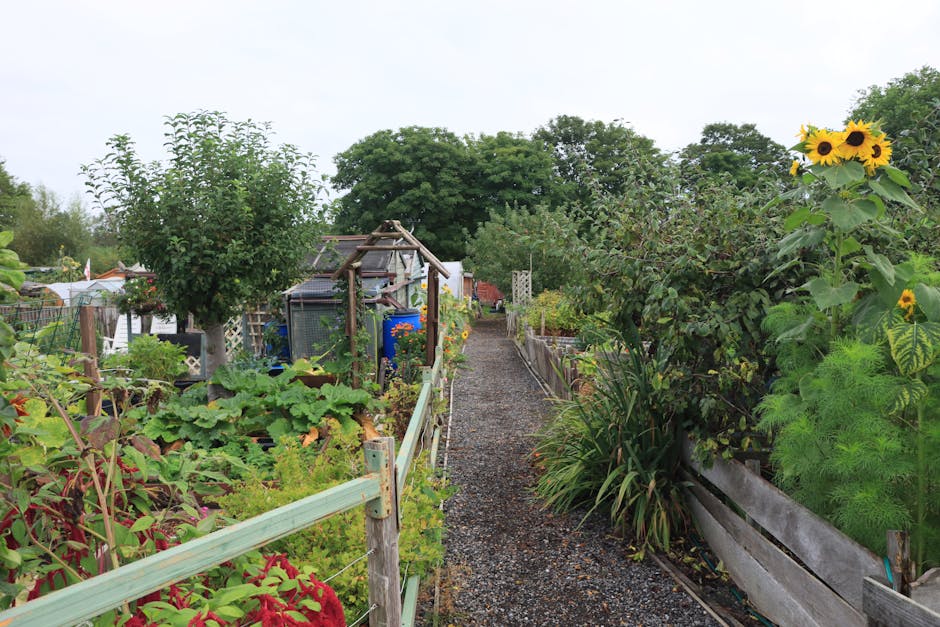
Why Watford high street garden access solutions by local gardeners Matters
Access is one of those things people only notice when it is poor. A beautiful garden can become frustrating if the only way in is through a cramped gate, a shared alley, or a sloping side return with little grip underfoot. For high street homes and businesses in Watford, the issue is often compounded by busy footpaths, limited front space, neighbour boundaries, and the simple fact that daily garden maintenance needs to happen without causing disruption.
Local gardeners understand these conditions in a way that generic advice often misses. They see the practical realities: muddy boots in winter, plant deliveries that need careful carrying, pruning waste that has to get out cleanly, and access routes that need to be useful year-round. That local familiarity matters. It means solutions are not just technically sound, but workable in the real world.
There is also a visual side to it. A good access solution should not make the garden feel like a yard, or a service corridor. The best results are quiet and tidy. A stepping stone route that lines up properly, a gate that swings without scraping, a widened passage edged with planting instead of clutter - these little details make a space feel settled. Not overdone. Just right.
For homeowners, landlords, and business premises alike, improving access can protect surfaces, reduce maintenance time, and help gardens stay usable through every season. It is a small change with a surprisingly big impact.
If you are also planning wider improvements, it can help to look at the broader picture first through professional gardening services in Watford or a wider garden maintenance approach so access upgrades support the rest of the space rather than fighting it.
How Watford high street garden access solutions by local gardeners Works
The process usually begins with a site walk-through. A local gardener will look at how the garden is entered, where people naturally walk, what gets in the way, and what needs to be protected. That may sound simple, but it quickly reveals the real pinch points. Is the path too narrow for a wheelbarrow? Does rain collect near the side gate? Are there overgrown shrubs squeezing the passage? Does a patio edge create a trip risk?
From there, access solutions are matched to the space. In some gardens the answer is pruning back boundary growth. In others it is installing a more practical gate, repairing steps, adding a grip-friendly surface, or redesigning the route entirely. Sometimes the best fix is surprisingly modest. A better route, clearer line of sight, and a little more headroom can transform how a space feels.
Local gardeners also think in terms of maintenance access, not just human access. Can hedge clippings be removed without dragging through flower beds? Can lawn equipment be brought in and out cleanly? Will future repairs be easy? A solution that looks neat on day one but creates hassle every month after is not a solution at all. Truth be told, that happens more often than people think.
Depending on the site, access work may sit alongside hedge trimming in Watford, patio cleaning, landscaping improvements, or even structural changes such as fencing and decking services where access and usability need to work together.
Key Benefits and Practical Advantages
Good garden access does a lot more than make it easier to walk around. It shapes the whole experience of using the space.
- Safer movement: Clear routes reduce slips, trips, and awkward manoeuvres with tools or heavy pots.
- Faster maintenance: If access is easy, gardeners can work more efficiently and keep the space tidier.
- Better plant care: Access routes can be planned so delicate borders are not constantly stepped on.
- Less wear and tear: Proper paths and gate positioning help protect lawns, paving, and soft landscaping.
- Improved privacy and presentation: Access improvements often go hand in hand with neat screening and boundary treatment.
- More usable space: A well-planned route can make a small garden feel larger and less cluttered.
There is a subtle but important benefit too: confidence. People use a garden more often when it feels easy to enter and move through. That might mean a quick evening watering session, children going in and out safely, or staff maintaining a commercial frontage without blocking the pavement. Small thing, big difference.
Access upgrades also support wider garden planning. For example, if you are interested in layered planting and soft edges, the right route can be designed around ground cover planting so the space feels full without becoming hard to navigate. If privacy is part of the brief, access planning can sit alongside ideas from fast-growing hedge ideas without boxing the garden in.
Who This Is For and When It Makes Sense
This kind of work is especially useful for:
- terraced and semi-detached homes with side returns or narrow rear access
- high street properties with busy frontages
- landlords who need gardens to stay manageable between tenancies
- small businesses with rear service access or display planting
- families wanting a safer route for children or prams
- older homeowners who need easier footing and less physical strain
- pet owners who want predictable, low-fuss access for daily routines
It also makes sense when a garden has become awkward over time. Maybe a hedge has outgrown the passage. Maybe a gate has dropped on its hinges. Maybe a previously neat side entrance has become the home of pots, hoses, tools, bikes, and one mysterious broken trellis that nobody has the heart to throw away. We have all seen that corner.
If your garden feels harder to maintain than it should, access improvements are often a sensible first step before broader upgrades. They can also be paired with simpler layouts for busy households, including ideas from low-maintenance garden planning or a refresh after a long period of neglect, such as the approaches discussed in transforming a neglected garden.
Step-by-Step Guidance
- Map the actual movement patterns. Watch how people already move through the space. Ignore the ideal version for a minute and look at what is really happening.
- Measure the pinch points. Check gate width, path width, step height, turning space, and any narrow sections where tools or bins struggle to pass.
- Identify hazards. Look for slippery paving, loose slabs, broken edging, low branches, awkward thresholds, and poor lighting.
- Decide what access needs to do. Is this about maintenance access, everyday family use, delivery access, wheelchair or mobility support, or all of the above?
- Choose the lightest effective fix. In many gardens, the smallest change that solves the problem is the smartest one.
- Plan the route visually. A route should look intentional. Use materials, edging, and planting to guide the eye, not fight it.
- Check future maintenance. Ask how pruning, cleaning, sweeping, and repairs will happen later. The future matters here.
- Finish with a tidy handover. A good access solution should leave the garden cleaner, clearer, and easier to live with.
As a practical example, imagine a narrow high street garden with a back gate that barely opens because a hedge has crept across the line. A local gardener might first open the space with careful ivy removal if climbers are part of the obstruction, then reshape the boundary using evergreen climber ideas so the wall still feels green rather than bare.
Expert Tips for Better Results
Here is the part that makes a real difference.
Keep routes simple. The best access paths are often the least fussy. Straight or gently curved, with enough width to turn a wheelbarrow without scraping the border. Complicated routes tend to collect clutter. Simple ones get used.
Think in wet weather, not dry weather. A route that works on a warm afternoon can become awkward on a damp morning. Watford weather will remind you of that pretty quickly. Choose surfaces with grip and drainage in mind.
Use planting as soft structure. Plants can guide movement without turning the garden into a corridor. This is where vertical interest, screening, and border planting can help. If you need inspiration, the article on vertical gardening gives a useful sense of how to build up space without making it feel cramped.
Do not let access eat the garden. There is a balance. You want a route that works, but you still want a garden, not a service yard with one geranium doing its best. A bit of humour, but also true.
Plan for the tools you actually use. A hand fork and watering can need far less room than a mower, compost bags, or pruning waste. If the route has to handle regular maintenance, it should be sized accordingly.
Link access with seasonal care. Winter leaf fall, summer growth surges, and windy conditions all affect movement and upkeep. For that reason, it is worth planning access alongside seasonal resilience, as discussed in managing windy conditions in your garden and protecting gardens during winter.

Common Mistakes to Avoid
- Ignoring drainage: If water sits on a path or by a gate, the access fix will age badly and become slippery.
- Overplanting the route edge: Lovely in summer, irritating in every other season if it narrows the walkway.
- Choosing decorative materials only: Pretty surfaces are fine, but not if they are impossible to keep clean or safe.
- Blocking future maintenance: A route should help gardeners work, not force them to climb over borders or squeeze past obstacles.
- Not checking gates and hinges: Sometimes the problem is mechanical, not botanical.
- Forgetting deliveries and waste removal: Compost, mulch, and green waste need a realistic exit route.
A surprisingly common mistake is trying to "hide" access problems with more plants. That can work if done well, but if the route itself is broken, too tight, or unsafe, planting alone will not fix it. Better to solve the access first, then dress it beautifully.
If overgrowth is part of the issue, it may be worth combining access work with weed control or even a more thorough garden transformation so the whole area stops fighting you.
Tools, Resources and Recommendations
Local gardeners usually rely on a mix of practical tools and plain common sense. Nothing fancy for the sake of it.
- Measuring tape: essential for checking gate widths, turns, and path clearances.
- Spirit level and straight edge: useful for checking steps, slabs, and transitions.
- Pruning tools: secateurs, loppers, and hedge tools help clear access without damaging nearby plants.
- Pressure washing or patio cleaning equipment: a cleaner route is often a safer route.
- Wheelbarrow or garden trolley: to test whether the access route actually works in practice.
- Lighting checks: even a small route can feel much safer if it is visible after dusk.
It also helps to know where access work sits within the wider garden service picture. In some cases, it is a standalone improvement. In others, it connects with lawn mowing, lawn care, tree surgery, or general gardening services where access and upkeep need to be planned together.
For inspiration on simpler, more liveable layouts, the article on container gardening can be helpful if your space is small, while garden seating ideas are useful when you want access and relaxation to coexist rather than compete.
Law, Compliance, Standards, or Best Practice
Any access solution needs to be safe, sensible, and respectful of boundaries. That sounds obvious, but in real gardens the details matter. Paths should be stable enough for routine use, gates should open properly, and any work near boundary lines should be checked carefully before changes are made. If a property is shared, rented, or commercial, it is especially wise to agree responsibilities before work starts.
Good practice also means being thoughtful about trip hazards, broken slabs, old edging, uneven steps, and low visibility. If an access route is likely to be used after dark, lighting and surface choice deserve real attention. For households with children, pets, or less mobile users, these points matter even more.
Local gardeners should also treat insurance, safety, and communication as part of the service, not an afterthought. That includes discussing how work will be carried out, how waste is removed, and what happens if extra issues are uncovered during the job. If you want a clearer sense of that approach, the site's pages on insurance and safety and the health and safety policy are useful reference points.
For customers, a practical rule of thumb is simple: if a proposed access change makes the space harder to inspect, harder to maintain, or more awkward to move through later, it probably needs rethinking.
Options, Methods, or Comparison Table
Different access problems need different solutions. Here is a straightforward comparison to help with decision-making.
| Method | Best for | Strengths | Trade-offs |
|---|---|---|---|
| Pruning and clearance | Overgrown side passages, blocked gates, tight borders | Quick, cost-aware, preserves existing layout | May need repeat maintenance |
| Path or paving adjustment | Uneven or slippery routes | Improves safety and year-round use | More disruption during installation |
| Gate repair or replacement | Restricted entry, poor swing, security concerns | Immediate functional improvement | May need matching with boundary work |
| Boundary redesign | Long-term layout problems, privacy issues | Can transform usability and appearance | Usually a bigger project |
| Layout rework with planting | Small gardens needing softer movement lines | Visually pleasing and space-efficient | Needs careful maintenance planning |
For many Watford high street properties, the best answer is a mix rather than a single fix. A hedge trim plus gate repair. A cleaner path plus better edging. A small pruning job plus a smarter planting scheme. That layered approach often gives the nicest result and the least future hassle.
Case Study or Real-World Example
Consider a narrow terraced garden off a busy Watford high street. The owner wanted easier access for weekly maintenance but the route from the side gate to the rear patio had become a squeeze. One side was crowded by shrubs, the other by a fence line with awkward roots and uneven paving. In wet weather, it was clumsy enough that the owner mostly avoided going out there unless absolutely necessary.
A local gardener started by clearing the worst growth and checking where the route naturally wanted to run. Rather than widening everything, they focused on the one line that mattered most. The hedge was reduced to a more manageable profile, the paving was cleaned and levelled where needed, and the gate was adjusted so it opened fully without catching. Simple, really, but effective.
The result was not dramatic in a glossy-magazine way. It was better than that. The garden became easy to move through again. Tools could be carried without brushing every border. The owner started using the space more often. The patio felt connected to the rest of the garden, not cut off from it. And maintenance work stopped feeling like a battle before it had even begun.
That is often what good access work looks like in practice: not a complete reinvention, just a calm improvement that makes the whole place breathe a little easier.
Practical Checklist
- Check how people, tools, and waste currently move through the garden.
- Measure all narrow points, steps, and gate openings.
- Look for slips, trip hazards, and poor drainage.
- Decide whether the priority is daily use, maintenance access, or both.
- Clear overgrowth only where it genuinely improves access.
- Choose surfaces that stay safe in wet weather.
- Make sure gates, hinges, and latches work properly.
- Keep the route visually tidy and easy to understand.
- Plan for seasonal maintenance, not just the first day after the job.
- Check whether the access change supports other garden work you want done later.
Expert summary: if a garden access solution is smart, it will feel almost invisible after the work is done. You will notice the difference every time you use the space, but you should not feel burdened by it. That is the sweet spot.
Conclusion
Watford high street gardens often need a bit more thought than standard suburban plots, and that is perfectly normal. Tight routes, shared boundaries, awkward entrances, and busy frontages all affect how a garden works day to day. The good news is that practical access solutions can make a huge difference without turning the whole project into a major upheaval.
When local gardeners plan access carefully, the results tend to last. Paths become easier to use, maintenance becomes less stressful, and the garden feels more open and more intentional. The best fixes are rarely the flashiest ones. They are the ones you keep appreciating on damp mornings, when the wheelbarrow rolls properly, and when you can move through the space without muttering under your breath. Small win, but a real one.
If you are weighing up your next step, start with a clear look at the route you use most, then build from there. A measured, local, well-finished approach is usually the one that pays off.
Get a free quote today and see how much you can save.

Drawing on many years of experience in the gardening business, Rose showcases her proficiency as a writer, producing a variety of articles spanning a wide range of landscaping topics. Her contributions have been invaluable in aiding thousands of individuals with their gardening needs.