WD17 front garden makeover guide local gardeners tips
Posted on 03/11/2026
WD17 Front Garden Makeover Guide: Local Gardeners Tips for a Smarter, Brighter Entrance
If your front garden in WD17 has started to feel tired, cluttered, or just a bit unloved, you are not alone. Front gardens take a beating: foot traffic, compacted soil, shade from fences or houses, wind tunnels, and the constant pressure to look tidy all year round. A good WD17 front garden makeover guide local gardeners tips approach is not about throwing loads of plants at the problem. It is about making small, smart choices that improve the look, the flow, and the day-to-day practicality of the space.
In this guide, you will find a clear, localised plan for reshaping a front garden that works for Watford homes and the real conditions they face. We will cover layout, planting, low-maintenance ideas, hard landscaping, seasonal care, common mistakes, and when it makes sense to bring in professional help. To be fair, the best front gardens are usually the ones that look easy even though someone has thought them through properly.
If you want to explore related inspiration along the way, you may also find our guides on budget-friendly low-maintenance garden ideas and designing garden seating areas useful for planning the bigger picture.
Why WD17 Front Garden Makeover Guide Local Gardeners Tips Matters
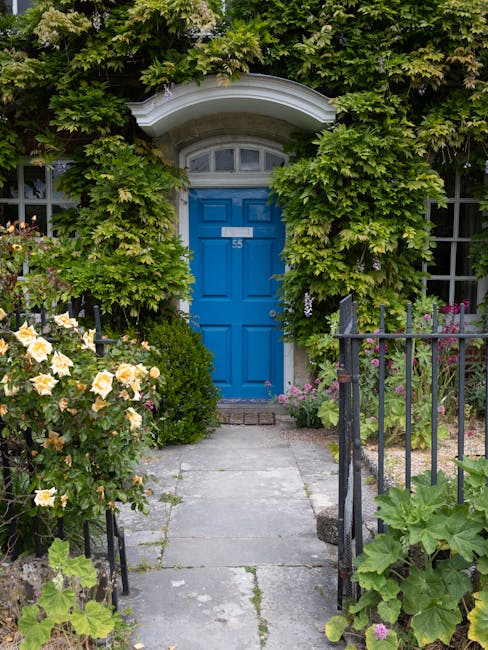
Front gardens do more than "look nice". They set the tone for the whole property. In a place like WD17, where many homes sit close to pavements, shared boundaries, driveways, and the street, a front garden has to do several jobs at once: improve kerb appeal, stay manageable, support privacy where needed, and hold up in local weather. That is why a local approach matters so much.
Watford conditions are not especially forgiving. Some front gardens get blasted by wind. Others sit in awkward shade and struggle with dry, thin soil near walls or tree roots. Some need to stay open for bins, deliveries, parking, or accessibility. A one-size-fits-all design can look good for a week, then turn messy fast. A local gardener understands the rhythm of the area: where water tends to pool, what survives in exposed spots, and how to choose plants that will not sulk the second the weather turns.
There is also the practical side. A front garden makeover can make regular maintenance easier, which matters more than people expect. A neat path, sensible edging, and resilient planting reduce the weekend workload. That is the real win. If you are already managing a larger outdoor space, it can help to think of the front garden as the low-fuss welcome mat, while your garden maintenance support in Watford keeps the rest of the property in shape.
Expert summary: a successful front garden makeover is not the most dramatic one. It is the one that balances looks, access, and maintenance so well that the space keeps working after the novelty wears off.
How WD17 Front Garden Makeover Guide Local Gardeners Tips Works
The basic process is straightforward, but the order matters. Good front garden design starts with observation, not shopping. You look at the space in daylight, then again in poor weather, and again when you are carrying bags, wheeling a bike, or opening the gate. Suddenly the problems become obvious. That awkward corner. The path that narrows too much. The hedge that blocks sightlines. The bed that dries out in a day. Funny how a garden can seem fine until you actually use it.
Local gardeners usually work through a front garden makeover in stages:
- Assess the space. Measure it, note sun and shade, check drainage, and identify access points.
- Decide the purpose. Is the garden meant to be decorative, practical, child-friendly, pet-friendly, low maintenance, or all four?
- Clear and simplify. Remove dead material, overgrown plants, self-seeded weeds, and anything that is visually cluttering the front.
- Set the structure. Paths, edging, small walls, gravel, paving, fencing, hedging, or planters give the garden its shape.
- Choose planting that suits WD17 conditions. Pick plants that are hardy, tidy, and appropriate for the level of light and shelter.
- Finish with easy upkeep. Mulch, irrigation, weed control, and clear maintenance routines keep the makeover from sliding backwards.
When a front garden is especially neglected, the first phase can be more about recovery than design. In those cases, a transformation mindset helps. Our guide to transforming a neglected garden into a lush paradise is a good companion read if your space needs a fresh start rather than a simple tidy-up.
Key Benefits and Practical Advantages
A well-planned front garden makeover brings benefits that go beyond aesthetics. The most obvious one is kerb appeal, of course. But that is only the start. A tidy, well-structured front garden can make your whole property feel calmer and more cared for. You notice it when you come home in the evening, and visitors notice it too.
- Better first impressions: a front garden frames the home and makes the entrance feel welcoming.
- Lower maintenance: smart planting and clear structure reduce ongoing effort.
- Improved access: better paths and less clutter make the garden safer and easier to use.
- More privacy: hedges, climbers, and layered planting can soften street visibility.
- More resilience: suitable plants and materials cope better with wind, rain, and frost.
- Higher usability: the space works better for bins, parking, deliveries, bikes, and everyday movement.
There is also a subtle psychological benefit. A front garden that feels organised tends to make the whole property feel more settled. It sounds a bit soft, perhaps, but it is true. A front entrance that looks chaotic can make the whole house feel rushed before you even unlock the door.
If privacy is one of your goals, it is worth looking at fast-growing hedges for privacy and evergreen climbers for awkward or shady corners. Those two approaches often work beautifully in front gardens because they soften boundaries without making the space feel boxed in.
Who This Is For and When It Makes Sense
This kind of makeover suits a wide mix of homeowners and landlords. It is especially useful if your front garden has become hard to manage, if it looks patchy no matter what you plant, or if you are trying to improve the entrance before selling or letting the property. Sometimes people want a grand design. Other times they just want the front to stop embarrassing them a little. Both are fair reasons.
You may need a front garden makeover if:
- the space is dominated by weeds, moss, or bare soil
- the path is narrow, uneven, or unsafe
- hedges or shrubs have outgrown the space
- the garden lacks any clear shape or focal point
- the planting struggles in wind, shade, or dry conditions
- you need better access for bins, bikes, or vehicles
- you want a cleaner, more modern look with less maintenance
It also makes sense if you are planning other improvements nearby, such as fencing, driveways, or paving. Front garden design should be considered alongside boundary work and access routes. For example, if you are updating an older hedge line or boundary, the right trimming and structure can make the whole frontage feel sharper. Our hedge trimming service in Watford is a useful starting point if your boundaries are part of the problem.
Step-by-Step Guidance
1. Start with a proper clean slate
Before you buy anything, clear the space. Remove dead annuals, cut back overgrown shrubs, lift weeds, and sweep the path. If there is moss, slippery algae, or general grime on paving, dealing with that early makes a huge difference to how the whole scheme reads. A cleaner surface shows the bones of the garden.
If the entrance includes paving, a driveway edge, or hard landscaping, this is a good moment to consider patio cleaning in Watford as part of the refresh. A freshly cleaned path can make even modest planting look far more intentional.
2. Fix the structure before the planting
Think in layers. First comes the hard structure: edging, path width, steps, and boundary lines. Then comes the soft structure: shrubs, hedges, climbers, low planting, and ground cover. The wrong order leads to muddle. The right order makes the whole garden feel quietly sorted.
In many WD17 gardens, a simple layout works best:
- a defined route from gate to front door
- one main focal element, such as a statement planter or clipped shrub
- low planting near the path
- taller structure toward the boundary or house wall
- clear sightlines near the entrance for safety and convenience
3. Choose plants that can cope with local conditions
The best plants for a front garden are usually the ones that do not complain too much. Look for compact, hardy, and reliable varieties. In exposed spots, tough evergreen structure often performs better than fussy seasonal displays. In shady front gardens, layered planting and shade-tolerant options can do a lot of the heavy lifting.
Useful ideas include low ground cover, clipped evergreens, tidy ornamental grasses, and robust climbers for vertical interest. If you want more plant inspiration, the article on ground cover plants for UK gardens is especially relevant where weeds and bare soil are an ongoing nuisance.
4. Build in easy maintenance from day one
A front garden that needs constant fussing is rarely a success. Use mulch to slow weed growth. Keep plant choices repeated rather than random. Avoid tiny fiddly species that will need constant deadheading unless you genuinely enjoy that sort of thing. Some people do, but not many on a Monday morning with a coffee getting cold on the step.
Practical maintenance features include:
- metal or stone edging to keep beds tidy
- gravel or bark mulch in planting beds
- simple irrigation for newly planted areas
- one or two larger planters rather than many small ones
- durable materials that age well rather than cheap finishes that crumble
5. Add finishing touches with restraint
Less really is more here. A front garden is not the place to cram in every interesting idea you have seen online. One attractive bench, a pair of matching pots, or a well-placed feature tree can be enough. If you want a calmer feel, there are some lovely zen garden inspirations for tranquil outdoor spaces that translate well into smaller front gardens too.
Expert Tips for Better Results
Local gardeners often rely on a few practical habits that make a big difference over time. These are not glamorous, but they work.
- Repeat materials and colours. A limited palette looks more expensive and more coherent.
- Keep the front edge disciplined. The garden should meet the street cleanly, not drift into it.
- Use evergreen structure. Front gardens need to look presentable in February as well as June.
- Choose one focal point. A specimen shrub, a small tree, or a planter with seasonal colour is enough.
- Think about sightlines. Do not block windows, doors, or driveways with overgrown planting.
- Plan for weather, not wishful thinking. In WD17, exposed corners and wet winters can undo weak choices quickly.
One overlooked tip: sit inside the house and look out. A front garden is viewed from the road, yes, but also from the hallway, the front room, the kitchen sink. That inside-out perspective changes everything. You start to notice what feels calming and what feels cluttered.
If your frontage catches a lot of wind, you might want to factor that in before committing to tall, delicate features. Our guide to managing windy garden conditions can help you avoid choosing plants or materials that will struggle in an exposed street-facing plot.
Common Mistakes to Avoid
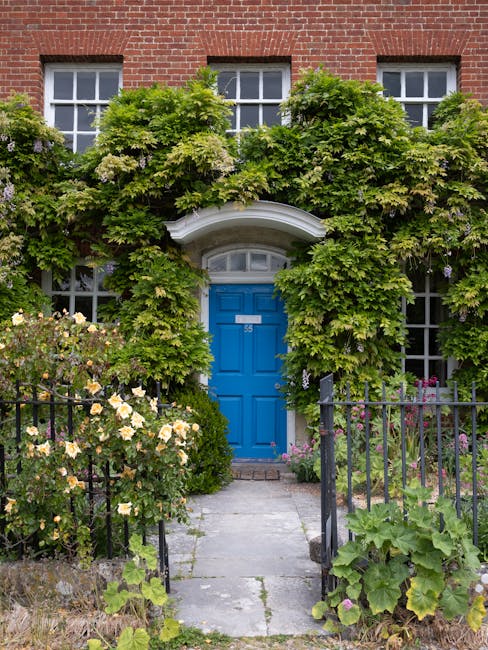
Most disappointing front gardens fail for the same handful of reasons. The good news is that each one is avoidable once you know what to look for.
Overplanting
It is tempting to fill every patch, especially after a clearance. But front gardens need room to breathe. Too many species becomes visual noise, then a maintenance headache. Leave space for clean edges and visible structure.
Choosing plants without checking size
A plant that looks charming in the nursery pot can become a monster near a front path. Always check mature size, spread, and whether it needs regular pruning. If you are unsure, ask a local gardener or choose proven compact varieties.
Ignoring drainage
Some WD17 front gardens sit on compacted or uneven ground. If water pools after rain, soft planting will suffer and paths may become slippery. Fixing drainage is not the exciting part, but it is often the bit that saves the whole project.
Using high-maintenance features where time is limited
Fancy box parterres, fussy bedding schemes, and constant seasonal replanting sound lovely. Then real life happens. If your schedule is tight, go for durable structure, ground cover, and fewer replacements.
Forgetting boundaries and safety
Overhanging hedges, poorly placed lighting, and awkward access can create daily irritation. Keep the layout practical. A front garden should make life easier, not add another small battle to your morning routine.
For persistent weeds, it is better to tackle the root cause than keep trimming the top off. Our article on weed control tips is worth reading if you want a more durable solution than repeated hand-pulling.
Tools, Resources and Recommendations
You do not need a shed full of kit to improve a front garden, but a few reliable tools make the job far easier. If you are doing the work yourself, start with the basics and avoid buying specialist tools for problems you may only face once.
- Hand tools: trowel, hand fork, secateurs, pruning saw, edging iron
- Clearing tools: rake, broom, spade, bucket or wheelbarrow
- Maintenance tools: watering can, hose, mulch fork, gloves
- Optional extras: pressure washer for hard surfaces, string line for straight edges, spirit level for edging
If you are new to gardening, a simple primer helps you avoid expensive missteps. Our essential gardening tips for beginners and guide to essential gardening tools are both practical starting points.
For people who want a lower-effort planting style, container gardening can be surprisingly effective in front gardens. It gives you flexibility, especially near paved entrances or difficult soil. See also the possibilities of container gardening if your front plot is small or awkward.
Law, Compliance, Standards, or Best Practice
Front garden work is usually straightforward, but it still pays to follow sensible UK best practice. If you are altering boundaries, removing larger shrubs, or working near pavements and roads, keep safety and neighbour relations in mind. That includes making sure waste is handled properly, tools are used safely, and access is not obstructed during the job.
If trees are involved, especially if they are large or close to a property boundary, the work may need more care than a standard trim. In those situations, professional assessment is wise. Our tree surgery services in Watford can be relevant where height, overgrowth, or structural risk becomes part of the job.
Best practice also means using materials and finishes that suit the space. Slippery paving, unstable edging, or poor-quality fixings can become safety issues. Likewise, if your layout affects sightlines for vehicles or pedestrians, keep that in mind. It is not about overcomplicating things. It is about being thoughtful. A neat front garden should feel safe as well as attractive.
For businesses or homeowners seeking garden work from a trusted local provider, it is sensible to review service information, pricing, and company policies before committing. You can read more about pricing and quotes, insurance and safety, and the health and safety policy to understand the expected standard of service and site care.
Options, Methods, or Comparison Table
There is no single right way to approach a front garden makeover. The best method depends on budget, maintenance tolerance, and how much change you actually want. Here is a simple comparison to help narrow it down.
| Approach | Best For | Pros | Watch Out For |
|---|---|---|---|
| Minimal tidy-up and refresh | Homes that already have good structure | Quick, affordable, low disruption | May not fix deeper layout problems |
| Plant-led makeover | Spaces with decent paths and borders | Strong visual impact, softer look | Needs the right plant selection and maintenance |
| Hard landscaping-led redesign | Problem layouts, poor access, or tired surfaces | Improves structure and function | Higher cost and more disruption |
| Low-maintenance modern front garden | Busy households and rental properties | Easy to keep tidy, long-lasting | Can feel stark if not softened with planting |
For many WD17 homes, the sweet spot is a hybrid approach: clean hard surfaces, simplified planting, and one or two strong design features. That tends to age well. If you want the garden to support family life, you might also consider practical ideas from designing a safe and fun garden for kids or creating a dog-friendly garden oasis, especially if the front space connects to everyday routines.
Case Study or Real-World Example
Imagine a typical WD17 front garden: a small rectangular space, a short path to the door, a tired shrub bed against the wall, and a patch of thin grass that never really looks green for long. The owner wants something smarter but does not want weekly maintenance to become a second job.
The first move is clearance. Out come the dead shrubs, tangled weeds, and a couple of awkward self-seeded plants that have been pretending to be "features" for years. The path is cleaned and re-edged. The lawn is either reduced or replaced with a tidier hard surface and a smaller planting bed. Straight away, the garden feels bigger.
Next comes structure. One compact evergreen shrub anchors the view near the entrance. A low hedge or clipped boundary softens the fence line. A pair of matching containers near the door adds seasonality without clutter. A shade-tolerant ground cover fills the awkward area where the old bed never quite worked. Simple, but effective.
Finally, the owner sets a monthly maintenance routine: light pruning, weed checks, sweeping the path, and mulching twice a year. Nothing dramatic. Nothing fussy. The result is a front garden that feels calm and cared for rather than forced. That is the kind of makeover local gardeners often aim for, because it still looks good six months later, which is the real test.
If the garden has stubborn old ivy on a wall or fence, it is often worth addressing that before introducing new planting. The guide on permanently removing ivy can help you understand why old climbers sometimes undermine a fresh design. And if you want to replace a bare or messy boundary with something more structured, fencing services in Watford may be part of the solution.
Practical Checklist
Use this checklist before, during, and after your front garden makeover. It keeps things grounded.
- Measure the space and note sun, shade, wind, and drainage
- Decide the garden's main purpose: decorative, practical, low-maintenance, privacy-led, or mixed
- Clear weeds, dead plants, and unwanted growth
- Clean paths, steps, and hard surfaces
- Check whether boundaries, hedges, or trees need trimming or removal
- Choose a small number of repeated plants rather than lots of random ones
- Use edging to define beds and prevent grass or soil spill
- Leave enough space for access, bins, and safe movement
- Mulch beds to suppress weeds and retain moisture
- Set a realistic maintenance routine for each season
- Review whether any larger structural work should be handled professionally
If your project is part of a broader property refresh, it can also be worth looking at landscaping services in Watford, lawn care support, or even decking services if the front or side area needs a more substantial update.
Conclusion
A front garden makeover in WD17 does not need to be grand to be effective. In many cases, the smartest improvements are the simplest: better structure, the right plants, cleaner lines, and a layout that respects everyday use. Local gardeners bring value because they understand what survives, what looks tidy for longer, and what makes life easier rather than more complicated.
The best results usually come from a calm plan, not a rush of ideas. Start with the space as it is, choose features that fit your home and routine, and build in maintenance from the start. That way, your front garden becomes a proper welcome, not a weekend worry.
Get a free quote today and see how much you can save.
And if you are still weighing it up, that is fine too. A good front garden makeover should feel like a relief, not a gamble.

Drawing on many years of experience in the gardening business, Rose showcases her proficiency as a writer, producing a variety of articles spanning a wide range of landscaping topics. Her contributions have been invaluable in aiding thousands of individuals with their gardening needs.